Blogs
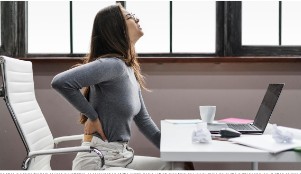
Sciatica can make sitting uncomfortable because prolonged pressure and poor posture may increase irritation around the sciatic nerve. Choosing a supportive sitting position can help reduce strain.
Causes of Sciatica
Sciatica describes pain that follows the path of the sciatic nerve, often from the lower back through the buttock and into the leg. Common causes include a herniated disc, spinal stenosis and other forms of nerve compression.
Why Sitting Can Worsen Sciatica Symptoms
Long periods of sitting can increase pressure on the lower back and may aggravate an already irritated nerve. Slouching can further change spinal alignment.

Best Sitting Positions for Sciatica
1. Classic Ergonomic Sitting Position
Sit with your feet supported, knees close to hip level and your lower back supported. Keep your shoulders relaxed and avoid leaning forward for long periods.
2. Reclined Sitting Position
A slightly reclined position can reduce the load on the lower back. Use a supportive chair and keep your feet stable.
3. Sitting With Lumbar Support
A small lumbar cushion can help maintain the natural curve of the lower back. Adjust the chair so that the support feels comfortable rather than forcing the spine into a new position.
4. Perching (Stool or Saddle Chair Position)
A forward-angled seat can encourage a more open hip position, but it should still be comfortable and stable.
5. Seated Cross-Legged (Floor Sitting)
Floor sitting may be uncomfortable for some people with sciatica. If symptoms increase, change position rather than remaining in pain.
Ergonomic Tips for Sitting at Work and Home
- Stand and move every 30–45 minutes.
- Keep screens at a comfortable eye level.
- Support your lower back.
- Keep both feet supported when possible.
- Avoid prolonged slouching.
Conclusion
The best sitting position is one that keeps your spine supported and does not increase symptoms. If sciatica persists, worsens or is associated with weakness or bowel/bladder symptoms, seek professional medical assessment.
Medical information on this page is for general educational purposes only and is not a substitute for a personal medical examination or diagnosis. For urgent or severe symptoms, seek appropriate medical care.