Blogs
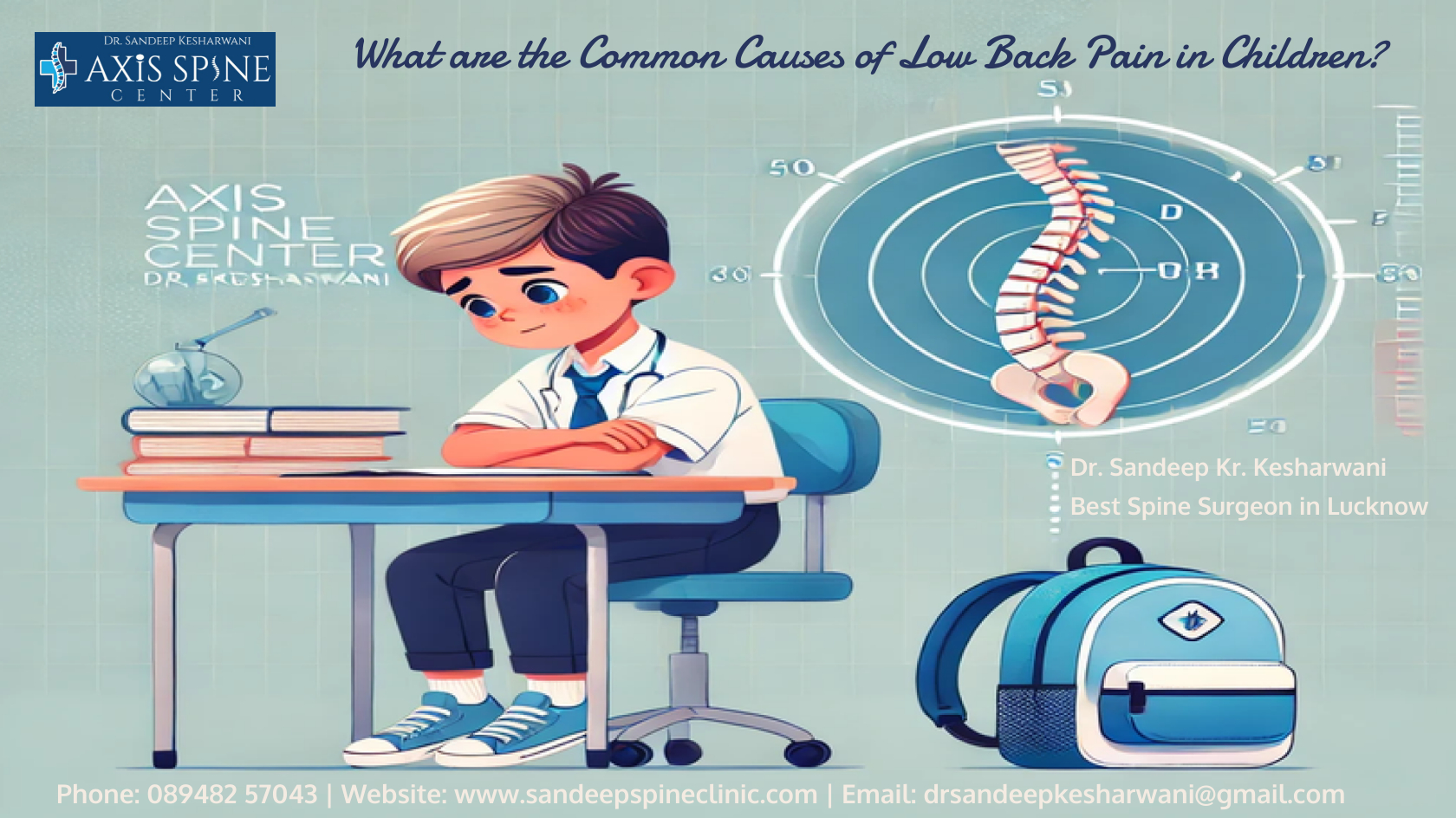
Low back pain in children is often caused by activity, posture or muscle strain, but persistent or severe pain may require medical evaluation. Understanding common causes can help parents respond appropriately.
1. Muscle Strain and Sprains
Active children can experience muscle strain or ligament sprains, especially after sports, repetitive activity or sudden increases in training. Good warm-ups and gradual progression can reduce risk.
2. Heavy Backpacks: Keep Your Spine Healthy
Heavy or poorly fitted backpacks can increase strain on the back and shoulders. Encourage children to carry only what they need and use both shoulder straps.
3. Postural Issues
Long periods of sitting, poor desk setup and slouching may contribute to discomfort. A supportive chair and regular movement breaks can help.
4. Spondylolysis and Spondylolisthesis
These conditions can affect the vertebrae and may occur in active adolescents. Persistent pain related to sports or repeated extension of the back should be assessed.
5. Herniated Disc in Children
Disc problems are less common in children than adults but can occur. Symptoms may include back pain with radiating leg symptoms or neurological changes.
6. Trauma or Injury
Falls, sports injuries and accidents can cause significant back pain. Sudden severe pain after an injury should be evaluated promptly.
7. Growth Spurts and Developmental Factors
Rapid growth can temporarily affect muscles, tendons and flexibility. Activity should be balanced with adequate recovery and conditioning.
8. Obesity and Excess Weight
Excess weight can increase mechanical stress on the spine and may contribute to poor posture and discomfort.
Conclusion: Preventing Low Back Pain in Children
Encourage regular physical activity, healthy weight, good posture, properly fitted backpacks and appropriate sports technique. If pain is persistent, recurrent, severe, occurs at night or is associated with weakness, numbness, fever or other concerning symptoms, consult a pediatrician or spine specialist.
Medical information on this page is for general educational purposes only and is not a substitute for a personal medical examination or diagnosis. For urgent or severe symptoms, seek appropriate medical care.